- Home
- Irish Culture and Customs
- History of Ireland
Irish History for Beginners:
Where ALL Irish Expressions Began!
This will not be your average history lesson. "Irish History for Beginners" is our way of telling the story of Ireland, from the beginning to the present - in an entertaining way that you may want to share with your friends!
How Well Do You Know Your Irish Stuff?
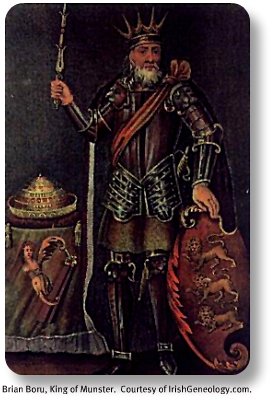
Ireland history is long (being history and all), but far from boring! It is the source of all of the customs we talk about at Irish Expressions, so it's worth knowing a little more about!
Let’s start in the early (and I mean EARLY) days, where there was no beer, no potatoes, and no Lord of the Dance.
Irish History for Beginners:
Ireland’s Earliest People (7000–500 BC)
Ireland’s story begins after the last Ice Age, when humans first wandered across land bridges and boats to settle this strange, spectacular island at the edge of the world. These early hunter-gatherers didn’t leave written records — but they did leave clues.
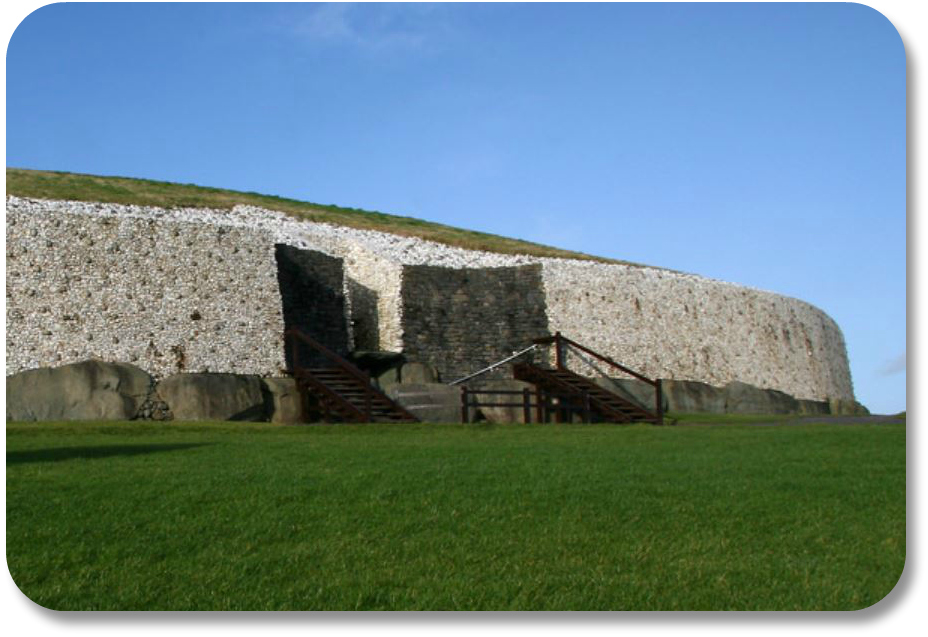
The most striking?
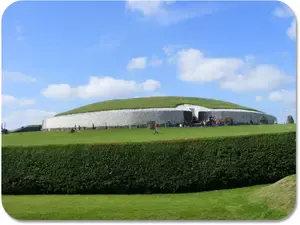
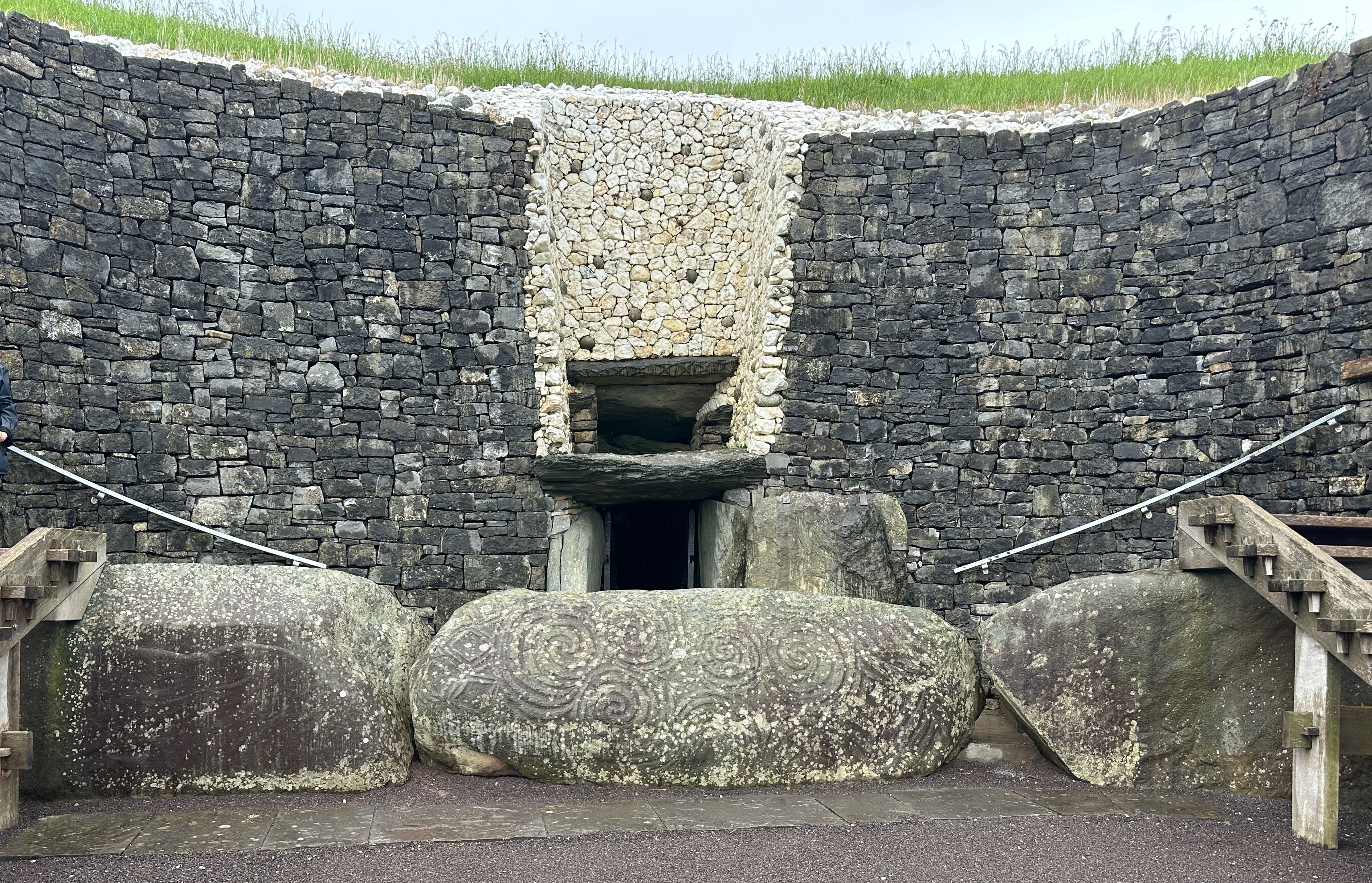
Yes — the giant grass-covered mound older than the pyramids with a stone-lined passage that lights up perfectly on the winter solstice. It’s as if ancient Irish people woke up one morning, ate a handful of hazelnuts, and said:
“Let’s build a giant time-powered sun-catching calendar-tomb thing so precise people 5,000 years from now will lose their minds.”
This mystical streak — the mix of practicality and poetry — is one of the oldest roots of Irish culture. You can trace it forward from Newgrange to Celtic spirals, to St. Brigid’s crosses, to the idea that Ireland is a place where the seen and unseen co-exist.
Early Ireland also gives us the seeds of:
- Irish symbols like spirals, triple-knots, and sun-wheels
- Irish traditions tied to the seasons
- Irish sayings rooted in nature (“There’s no hearth like your own hearth”)
Even now, when people talk about Ireland having “thin places,” they’re channeling something our ancestors understood intuitively: this island is just a little bit magical.
The Celts Arrive and Ireland Becomes… Ireland
(500 BC – AD 400)
Irish history for beginners includes this dynamic period, where the music, the myths, and the mischief begin.
The Celts never filled out immigration paperwork — they just gradually arrived, blended in, and reshaped the island’s identity forever.
With them came:
- A new language: Gaeilge (Irish)
- A new worldview: heroic, poetic, tribal
- A new mythology: Cú Chulainn, Queen Maeve, Fionn Mac Cumhaill
- A new symbol set: triskelions, knots, torcs
- A new storytelling tradition: long nights around fires
This is where Ireland gets many of its cultural “flavors.”Sayings:
Many of Ireland’s earliest proverbs come from Celtic wisdom.
The Celtic Knot emerges here — representing eternity, continuity, and the idea that life is one big interconnected puzzle that may or may not make sense until your third Guinness.
Celtic music develops as oral storytelling sung to harp, flute, and drum.
This is the origin of the Irish ballad tradition — stories first, music second.
Samhain (Halloween), Imbolc, Bealtaine — holidays marking Ireland’s turning seasons.
The Celts also built a society structured around clans — a system so deeply Irish that echoes of it lasted into the 20th century.
Saint Patrick and the Age of Saints & Scholars
(400–800 AD)
Where Ireland becomes Europe’s library.
Christianity arrives not with force, but through persuasion — St Patrick’s famously gentle approach appealed to a poetic people who already believed the world was more than what you could see.
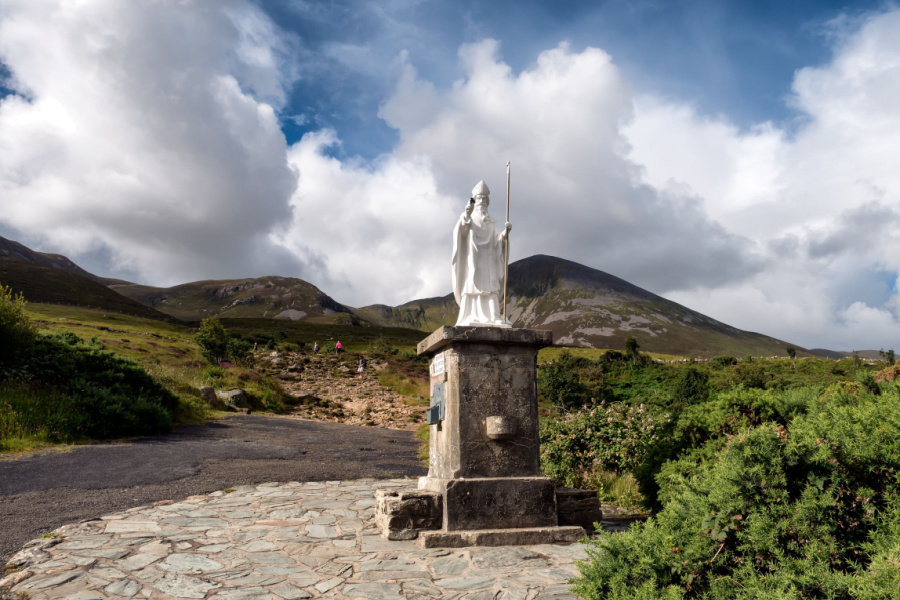
In this period, Ireland becomes:
- A center of learning
- A sanctuary of literacy
- A producer of jaw-dropping manuscripts (Book of Kells)
- A land of monasteries, round towers, and bells
This era gives birth to:
- Symbols like the Celtic Cross
- Sayings such as “May the road rise to meet you…”
- Songs built on monastic chant
- Sites such as Glendalough, Clonmacnoise, Armagh
Ireland wasn’t just learning — it was exporting knowledge back to Europe.
Irish monks literally saved manuscripts that would have been lost during the Dark Ages.
This is why the phrase “Ireland, Island of Saints and Scholars” exists — and why Irish heritage carries such a strong intellectual streak.
Vikings: Ireland Meets Chaos (800–1000 AD)
Where the pubs come from — eventually.
The Vikings came to town and raided monasteries (not cool), stole cattle (very not cool), but eventually — surprisingly — settled down, intermarried, and built cities.
Dublin, Waterford, Wexford, Limerick — all Viking creations.
And with cities came:
- Trade
- Coinage
- Craftsmanship
- New foods
- Shipbuilding
- Defensive fortifications
- And ultimately: a more cosmopolitan Ireland
It wasn’t all battle axes.
Vikings helped shape the urban culture where many future Irish songs, pubs, and folk stories would arise.
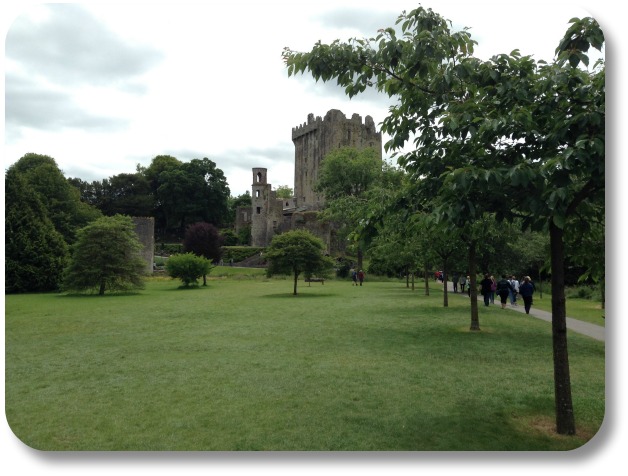
The Normans: Castles, Chivalry, and Complications (1100–1500 AD)
Where Ireland becomes the land of 30,000 castles.
When the Normans invade in 1169, they bring with them:
- Castles (lots of castles)
- Feudal law
- New foods
- French/English customs
- Stone architecture
- More organized warfare
But here’s the twist:
Ireland “Celtifies” them.
Within two generations, the Normans become “more Irish than the Irish themselves.”
This era contributes:
- Blarney Castle, Bunratty Castle, Trim Castle — iconic sites
- The tradition of hospitality linked to medieval halls
- Songs about battles, chieftains, and feasts
- Sayings about loyalty, bravery, and land
Ireland in this period becomes both more connected to Europe and more fragmented.
It’s a tug-of-war between old Gaelic ways and Norman-English rule.
Plantations, Rebellions, and the Birth of Modern Ireland (1500–1800 AD)
Where things get harder — and more heroic.
This is a turbulent era.
Plantations bring waves of English and Scottish settlers.
Irish language declines in some regions.
Land ownership shifts dramatically.
Rebellions flare repeatedly.
This period gives us:
- Traditional Irish music as a form of cultural resistance
- “Laughter is brightest where food is best” — humor as a means of coping
- Traditions like wakes, ceilis, and storytelling nights
- Foods: soda bread, coddle, stew — simple survival dishes
- Symbols: the harp becomes political
If you’ve ever wondered why the Irish harp is the symbol of Ireland, not the shamrock — this is why. It was the symbol that spoke of perseverance, poetry, and identity when everything else was under pressure.
The Famine: A Wound in the Irish Story (1845–1852 AD)
Where Ireland’s soul fractures — and spreads across the world.
The potato blight hits.
Crops fail.
Over a million die.
Over a million more leave.
This is the great turning point in Irish history — the moment that explains why there are 7 times more Irish people outside Ireland than inside it.
From the Famine comes:
- Emigration songs (Fields of Athenry, Skibbereen)
- Sayings about resilience (“You’ll never plow a field by turning it over in your mind”)
- Traditions built around remembrance
- Recipes reinvented abroad
- Symbolism of hope mixed with sorrow
The Irish diaspora becomes one of the world’s strongest cultural networks — especially in the U.S., Canada, Australia, and England.
The Fight for Independence (1800–1922)
Where poets, farmers, bartenders, and schoolteachers become revolutionaries.
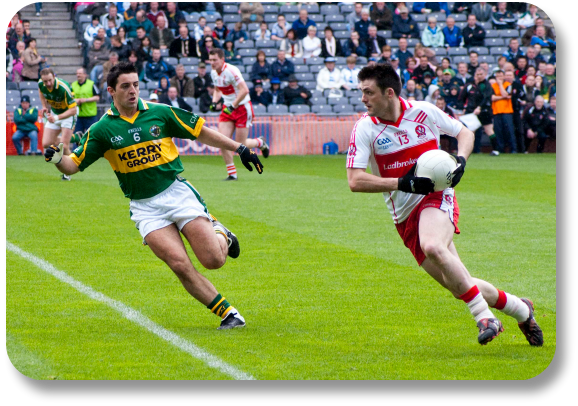
From uprisings to the Easter Rising in 1916, Ireland moves toward self-rule.
Cultural revival movements (like the Gaelic League) work to save:
- Irish language
- Irish sports
- Irish music
- Irish folklore
This era gives us:
- Songs of rebellion (“Foggy Dew,” “Rising of the Moon”)
- Sayings about freedom
- Symbols like the tricolor flag
- Athletic traditions revived (hurling, Gaelic football)
With independence in 1922, the modern Irish state is born.
The Modern Republic (1922–Present)
Where Ireland becomes itself again.
The Ireland of today is:
- Modern
- Tech-savvy
- Culturally rich
- Globally influential
But also deeply connected to its roots.
Contemporary Ireland gives the world:
- Riverdance
- U2, Enya, The Cranberries
- Guinness tourism
- “The Quiet Man” to “Banshees of Inisherin”
- New food culture
- Contemporary Celtic art
- Tourism built around heritage
Irish culture continues to evolve — but always with a nod back to the traditions, sayings, songs, symbols, foods, and stories that shaped it from the beginning.
Irish History for Beginners: What Does it All Add Up To?
We hope you have enjoyed this brief overview of Irish history for beginners.
Irish history is long, dramatic, painful, poetic and beautiful — but always deeply human.
And through all of it, you see the origins of:
- Sayings rooted in humor and wisdom
- Symbols drawn from ancient beliefs
- Songs that tell truth better than textbooks
- Traditions shaped by hardship and joy
- Foods that reflect survival and celebration
- Sites that whisper old stories
Irish culture isn’t a fixed artifact.
It’s a living, breathing thing, shaped by 9,000 years of people who laughed, fought, prayed, built, farmed, sailed, loved, rebelled, migrated, mourned, and dreamed.
And the best part?
You don’t need a history degree to feel connected to it.
You just need your own Irish side — however big, however small, however you choose to express it.
Everybody Has an Irish Side...
More Fun With Irish Expressions:
Your Irish Expressions Playbook
Congratulations on learning more about what we like to call your "Irish Side." You may be thinking "I'd love to actually VISIT Ireland but that's really not in the cards right now. What am I supposed to actually DO with the stuff I just learned?"
Well never fear! Since 2007 we have collected all of the best printable, shareable resources we could find, to help you put your new knowledge of Ireland to good use. We've put them all together on one page we call "Your Irish Expressions Playbook"
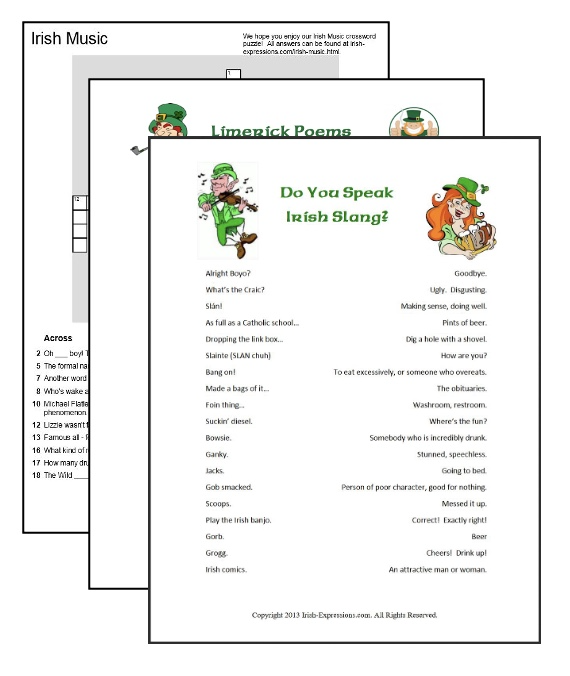 |
GAMES | PUZZLES | RECIPES | MORE ... more downloads added daily! |
Think games ... puzzles ... recipes ... song lyrics ... Access them ALL for one small price. Print as often as you like and share them with your friends - with no limitations! Once you're in, you are in - forever.
But order soon - we are always adding to the IE Playbook and this price will not last long.
PRO TIP: Once you have checked out, you should be routed to your Playbook within 7 seconds. Or click the 'return to merchant' button to get there faster. Then bookmark the page, so you can return whenever you like.
Any issues? Just reach out to us at support@irish-expressions.com and we will make it right.
Please Share Your Feedback
Did we miss anything? Is there a topic you would like us to cover in the future? Tap HERE to let us know!
ENJOYING IRISH EXPRESSIONS? PLEASE SHARE US WITH OTHERS!
Recent Articles


-
How to Write a Limerick: An Easy, Fun Way to Show Your Irish Side!
Mar 12, 26 09:22 AM
 Learning how to write a limerick is one of the easiest and most entertaining ways to express your Irish Side. Read on for simple, easy to learn instructions!
 -
This Week in Ireland - St Patrick's Festival
Mar 08, 26 06:01 PM
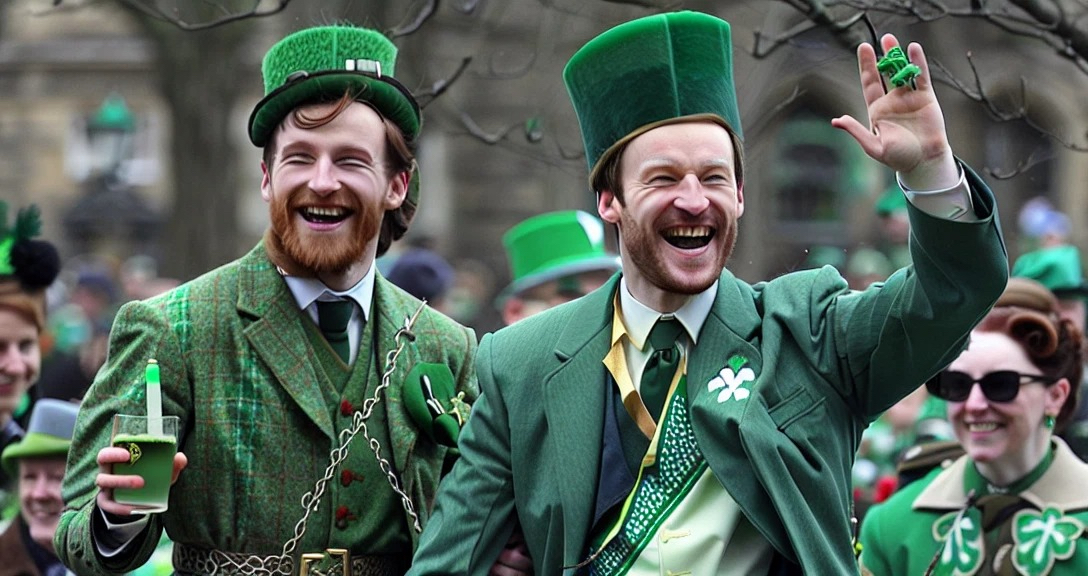
Dublin is leaning fully into St. Patrick’s Festival this week, with the official 2026 programme running from March 14 through March 17 and filling the city centre with performances, family events, wor…
-
Irish Expressions and Activities: Share Your Irish Side!
Mar 03, 26 07:17 PM
 Use Irish expressions and activities such as sayings, songs, symbols, sights, flavors, and fun to share your personal Irish side, wherever you are in the world!
 -
This Week in Ireland - Irish Language Festival
Mar 01, 26 04:07 PM
Across Ireland this week, a quiet cultural rhythm is rising: the annual celebration of Seachtain na Gaeilge has begun. Starting on March 1st and continuing toward St. Patrick’s Day, this is the larges…
-
This Week in Ireland - Birthday of George Bernard Shaw
Feb 16, 26 01:13 PM
This week in Ireland marks the February 18 birthday of George Bernard Shaw, born in Dublin in 1856. Shaw remains one of Ireland’s most influential literary figures — a Nobel Prize-winning playwright w…
-
This Week in Ireland - Remembering Sean Treacy
Feb 08, 26 12:25 PM
This week in Ireland marks the anniversary of the birth of Seán Treacy, born on February 14, 1895 in County Tipperary — a date that continues to resonate in the story of Ireland’s revolutionary period…
-
This Week in Ireland - Ireland's Newest Public Holiday
Feb 02, 26 12:33 AM
This week in Ireland opens with the country’s newest public holiday in active use, as St Brigid’s Day sets the tone for early February. What was once a quiet cultural marker is now being lived in real…
-
This Week in Ireland - St Brigid's Eve
Jan 26, 26 09:45 AM
This coming week in Ireland culminates with St Brigid’s Eve on January 31, marking the quiet transition between winter and spring. Historically, St Brigid’s Eve is a time for small household rituals r…
-
This Week in Ireland - Approaching St Brigid's Day
Jan 19, 26 04:55 PM
This coming week in Ireland sits at a quiet threshold — the final full stretch before the arrival of St Brigid’s season and the ancient festival of Imbolc. While winter still holds the land, the cultu…
-
Ireland Culture and Customs: Simple Ways to Express Your Irish Side!
Jan 12, 26 09:47 AM
 Learn what makes Ireland culture and customs so fascinating to so many people! Read on to build the culture of Ireland into your day to day Irish expressions!
 -
Cong Village Things to Know
Jan 11, 26 07:10 PM
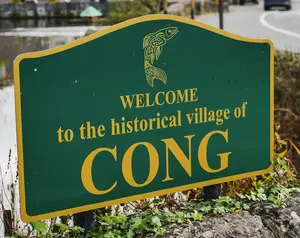 Cong Village things to know starts with this: Don't miss it! A lovely Irish town and a wonderful stop on any Irish tour (virtual or otherwise :-).
 -
This Week in Ireland - St Ita's Feast
Jan 11, 26 06:33 PM
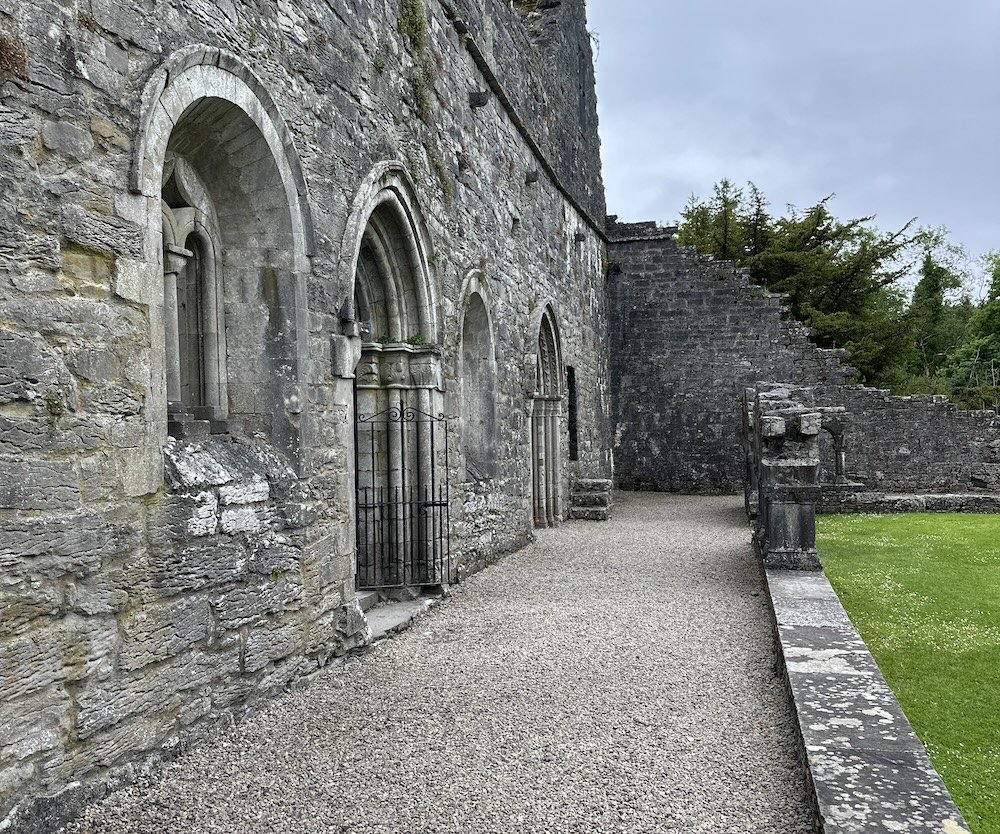
St Ita holds a distinctive place in Ireland’s spiritual story — one that feels especially fitting for the quieter stretch of mid-January.
Saint Ita lived in the sixth century, during the formative year…
-
Famous Irish Landmarks: Beyond the Castles
Jan 11, 26 05:17 PM
 There are many famous Irish landmarks that have nothing to do with castles! From quaint villages to majestic landscapes, we share our list of favorites.
 -
Your Irish ID: Share Your Irish Side!
Jan 07, 26 12:04 AM
 Here is where you generate your customized "Irish ID" and use it to proudly share your Irish Side with others!
 -
Irish Christmas Traditions: A Global Celebration with an Irish Twist!
Jan 05, 26 04:01 AM
 Learn wonderful Irish Christmas traditions and customs! This section will help you express your Irish side during the most joyful time of the year.
 -
Adare Castle Things to Know: Fun Facts About An Amazing Irish Landmark
Jan 05, 26 03:59 AM
 Explore Adare Castle things to know: A standing monument to times past, and a wonderful Irish experience to enjoy - with or without traveling to Ireland.
 -
This Week in Ireland - Return to the Pilgrimage Mindset
Jan 04, 26 09:04 PM
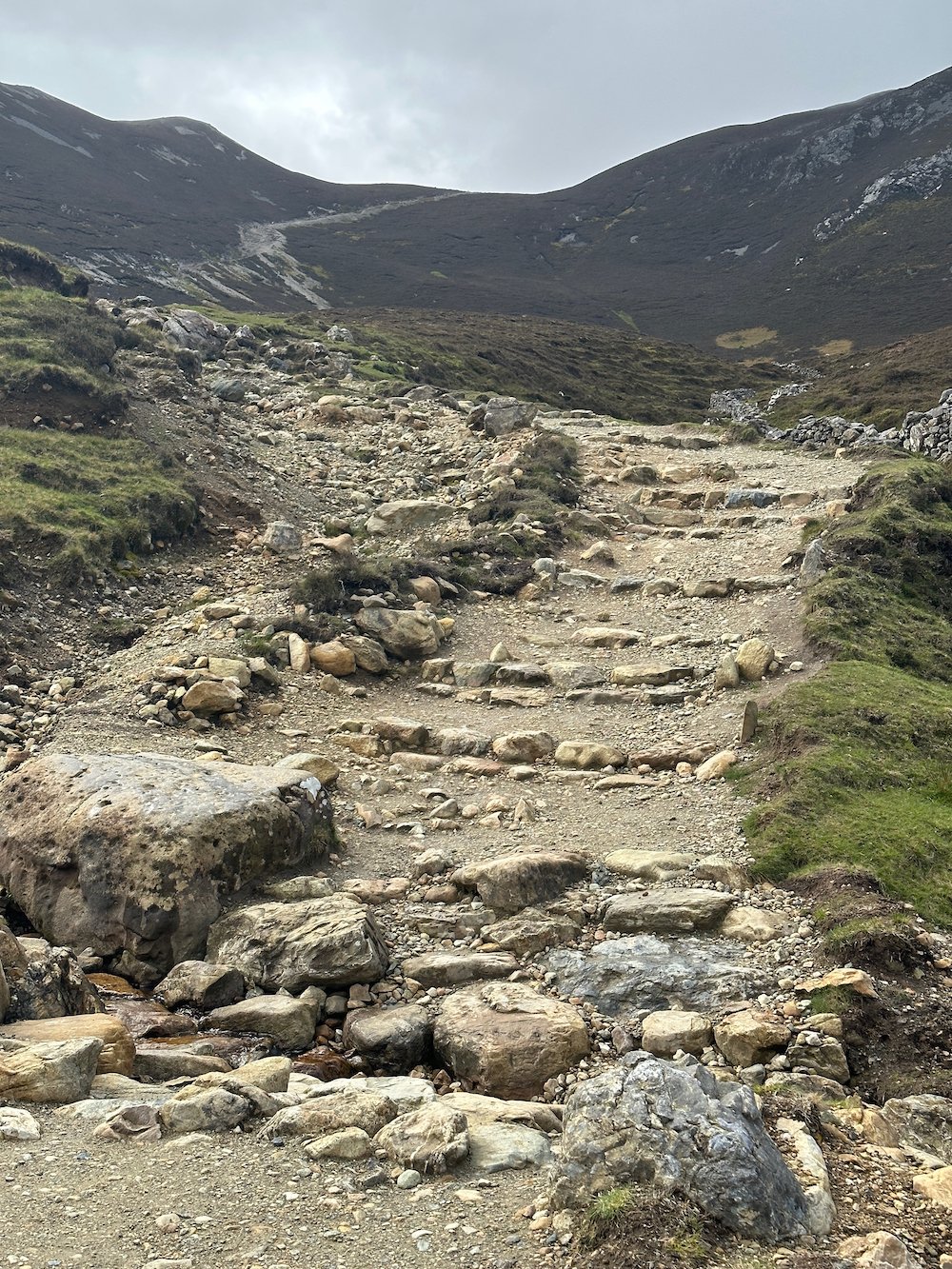 The days immediately after Little Christmas mark a subtle shift in Ireland’s rhythm. Decorations come down, holiday visitors thin out, and the country settles into a quieter, more inward-looking se…
 -
This Week in Ireland - Preparing for Little Christmas
Dec 28, 25 05:24 PM
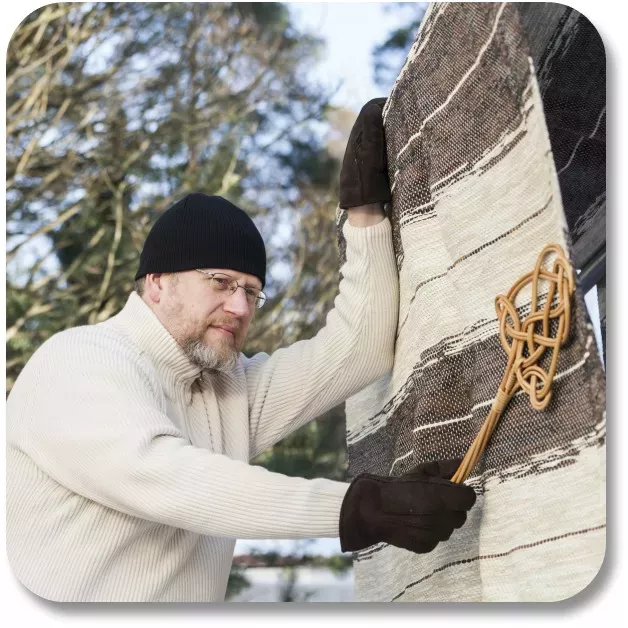 As December draws to a close, Ireland reaches the quiet ending of the traditional 12 Days of Christmas. Year-end rituals such as St Stephens Day take center stage, foretelling the arrival of Little…
 -
This Week in Ireland - The 12 Days of Christmas
Dec 20, 25 01:58 PM
 In much of the modern world, Christmas feels like it arrives all at once — and disappears just as quickly. Decorations go up, gifts are exchanged, and by December 26 the season is already winding d…
 -
Newgrange Things to Know: Key Facts About an Incredible Irish Monument
Dec 14, 25 01:37 PM
 Looking for Newgrange things to know? You're in the right place. Older than the pyramids in Egypt, this ancient monument is a historical and scientific marvel.
 -
This Week in Ireland - Winter Solstice and Newgrange
Dec 14, 25 01:13 PM
 Ireland reaches one of its most quietly powerful moments this coming week: the winter solstice. On December 21, the shortest day of the year marks an annual celestial turning point. Long before mod…
 -
Dunluce Castle Things to Know: An Example of Ireland's Magical Past
Dec 12, 25 09:28 AM
 Dunluce Castle things to know: If it looks familiar to you, it probably is! Featured on album covers and hit movies, it is a very recognizable Irish Castle!
 -
Use Meaningful Irish Symbols to Express Your Irish Side!
Dec 02, 25 07:35 PM
 Irish Symbols are everywhere. Read on to see the Celtic Knot, Celtic Cross, Claddagh, Harp, Shamrock, the Tree of Life, the Triskelion and more!
 -
Irish Song Lyrics: Sing Along to 10 Favorite Irish Songs
Dec 02, 25 07:32 PM
 Here are Irish song lyrics to 10 of the most iconic Irish folk songs. Learn the lyrics, see our favorite performances and sing along to express your Irish side!
 -
Famous Irish Sayings: Proverbs, Blessings, Quotes and More!
Dec 02, 25 07:28 PM
 Here you will find 7 types of famous Irish sayings, including Irish proverbs, Irish blessings, Irish jokes, Irish limericks and Irish slang.
 -
Irish History for Beginners: A Fun Way to Connect to Your Irish Side!
Dec 01, 25 08:59 AM
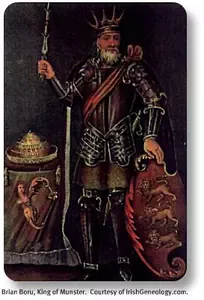 Here is a brief and fun overview of Irish history for beginners - where all Irish expressions began! Not your average history lesson!
 -
St Patricks Day Party Ideas: Share Your Irish Side!
Nov 18, 25 03:30 PM
 Finding the perfect St Patricks Day party ideas is the key to celebrating the most famous Irish holiday of all!
 -
St Patricks Day Craft Ideas: Simple Ideas to Adorn St Paddy's Day!
Nov 18, 25 03:26 PM
 St Patricks Day craft ideas give you a personal, colorful way to express your Irish side on St Patricks Day. Here are instructions for a few of our favorites!
 -
Jerpoint Abbey Things to Know: Key Facts About a Historic Irish Site
Nov 18, 25 03:24 PM
 Our Jerpoint Abbey things to know will enrich your visit to this lovely Irish landmark. Read on and enjoy a virtual tour!
 -
25 Irish Words and Phrases to Show Off Your Irish Side!
Nov 18, 25 03:22 PM
 Here are few Irish words and phrases and a bit 'o slang to help you express your Irish side, wherever you are in the world!
 -
Irish Dessert Recipes: Easy Treats With Irish Flavors
Nov 18, 25 03:04 PM
 Learn the most popular Irish dessert recipes, some the tastiest of all Irish expressions!
 -
Irish Birthday Traditions: Celebrating That Birthday Lad or Lass!
Nov 18, 25 02:57 PM
 Knowing a few Irish birthday traditions can take your Irish side to a whole new level. Read on to energize your next Irish birthday celebration!
 -
Irish Baby Gift Ideas: Never Too Young to Share Your Irish Side!
Nov 18, 25 02:54 PM
 Sharing Irish baby gift ideas is a time-tested method of expressing your Irish side! Read on to find exciting gift ideas with an Irish theme.